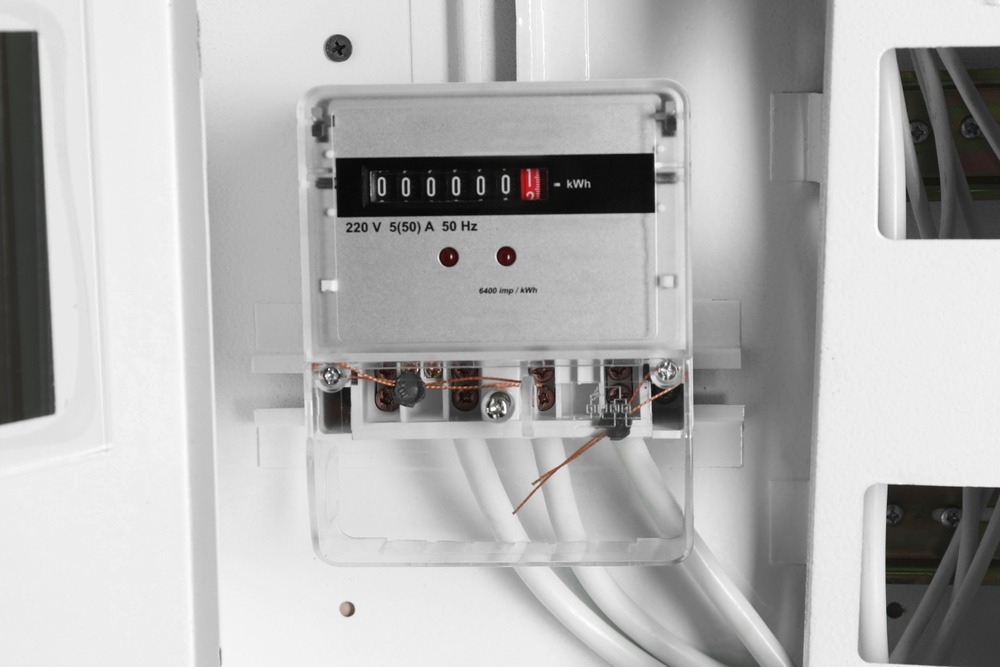
Electricity powers our modern world, but understanding electrical terms like amps, watts, volts, and ohms can often feel daunting. These fundamental units are essential to ensure electrical systems function safely and efficiently. Similar to how water flows through pipes, electricity flows through wiring, with each term measuring a specific characteristic of that flow. Whether you’re powering appliances or designing electrical systems, grasping these concepts is vital.
At Future Contracting Services, we aim to empower you with the knowledge to make informed decisions about your electrical needs. Let’s break down the differences between amps, watts, volts, and ohms to simplify your understanding of electrical terms.
The Four Key Electrical Terms Explained
1. Volt (Voltage)
Voltage, measured in volts, is the force that drives electric current through a circuit. It’s like the pressure in a water pipe, pushing the flow along. Most household appliances operate at either 240 volts or 120 volts, depending on the region. Higher voltage indicates a stronger force. For instance, heavy-duty appliances such as ovens or air conditioners often require 240 volts for optimal performance.
2. Amp (Ampere or Amperage)
Amps measure the flow of electricity, comparable to the volume of water flowing through a pipe. Devices with higher amperage draw more current, necessitating stronger wiring. For example, a standard light bulb might draw less than 1 amp, while a heavy appliance like an electric heater could require 15 to 30 amps. Understanding amperage is crucial for preventing overloads and ensuring circuit breakers function properly.
3. Watt (Wattage)
Watts represent the amount of electrical power used by a device. It’s calculated by multiplying volts x amps. For example, a 100-watt light bulb consumes 100 watts of power. Appliances with higher wattage ratings use more energy, which impacts electricity consumption. If a device operates at 240 volts and draws 10 amps, it consumes 2,400 watts of power.
4. Ohm (Electrical Resistance)
Ohms measure resistance within an electrical circuit, similar to obstacles in a water pipe. Resistance determines how easily current flows, with higher resistance restricting flow. According to Ohm’s Law, the current (in amps) is equal to the voltage divided by resistance. This principle is essential for designing safe, efficient electrical systems.
Key Differences Between Amps, Volts, Watts, and Ohms
Watts vs Volts
Watts measure power, while volts measure the force driving the power. These two are interconnected, as watts equal volts multiplied by amps. For example, a device drawing 15 amps at 240 volts will consume 3,600 watts of power. Devices with higher wattage ratings demand more energy and, consequently, may have higher operating costs.
Amps vs Volts
While volts measure the pressure of electricity, amps measure the flow rate. Together, they determine the power delivered in a circuit. High amperage typically requires robust wiring to prevent overheating. Understanding the balance between amps and volts is crucial for selecting appropriate electrical components.
Amps vs Watts
Amps indicate the current flow, while watts reflect the total power used. For instance, a 100-watt light bulb on a 240-volt circuit will draw approximately 0.42 amps. This relationship—watts = volts x amps—is fundamental in estimating energy consumption and designing electrical systems.
Common Misconceptions About Electrical Terms
Amps and Volts: Are They the Same?
A common misconception is that amps and volts are interchangeable or that higher voltage always means more power. In reality, volts measure force, while amps measure flow. The power (watts) a device uses depends on both the voltage and amperage.
Watts and Volts: Interchangeable?
Another misunderstanding is equating watts with voltage. While watts are derived from volts and amps, they measure energy consumption rather than force. For example, a 60-watt light bulb doesn’t necessarily operate at a higher voltage than a 40-watt bulb—it simply uses more power.
Safety Tips for Working with Electricity
Electrical safety begins with understanding these basic terms:
- Know Your Limits: Always consult the specifications of your appliances and wiring to avoid overloads.
- Avoid Overloading Circuits: Ensure the total amperage of devices doesn’t exceed the capacity of the outlet or breaker.
- Monitor Wattage: Be aware of how much energy your devices consume to maintain efficiency and prevent overloading.
- Protect Against Short Circuits: Keep water away from electrical outlets and appliances to reduce the risk of accidents.
Why Understanding Electrical Terms Matters
Whether you’re upgrading appliances, designing a solar system, or maintaining electrical efficiency, knowing the difference between volts, amps, watts, and ohms ensures:
- Safe operation of appliances and systems.
- Proper circuit breaker and wiring selection.
- Energy-efficient system design.
Consult Future Contracting Services for Electrical Expertise
When in doubt, trust the experts. At Future Contracting Services, we specialise in electrical installations, solar systems, and energy-efficient solutions. Whether you need advice on appliance power requirements, circuit design, or safety checks, our team is here to help.
📞 Call us or visit our website here for expert guidance and quality electrical services.
Make smarter, safer electrical choices with Future Contracting Services!
Talk to FCS About Our Services
Licensed Sunshine Coast electricians and solar installers, based in Buderim.
Related Articles

Air Conditioning Installation Time: Smart 2026 Buderim Guide
A standard air conditioning installation in Buderim usually takes several hours for a straightforward split-system setup. More complex installations, difficult access, electrical upgrades or…
Read article
How Emergency Lighting Installation Works Sunshine Coast
When the power goes out, having a reliable backup lighting system can mean the difference between safety and confusion. On the Sunshine Coast, Emergency…
Read article
Why Hire Industrial Electrical Contractors Sunshine Coast?
The Sunshine Coast is home to diverse industries ranging from manufacturing and logistics to food processing and construction. Each of these sectors depends heavily…
Read articleTalk to a Local Sunshine Coast Electrician
Electrical, lighting, compliance or solar – send us the details and we will come back to you with clear advice and a written quote.
- Call0427 468 568
- Emailjosh@futurecs.com.au
- Based inBuderim, Sunshine Coast QLD
- LicensedElectrical Contractors Licence 91222
Request a Free Quote
Tell us a little about the job and we will be in touch.