
EV Charger Installation on the Sunshine Coast
Faster, safer home and workplace charging – installed by licensed electricians who are also solar installers, so your car can run on your own sunshine.
Get a Free Quote
Tell us about the job and we will be in touch.
Prefer to talk? Call 0427 468 568
Charge at Home – Faster, Safer and on Solar
Most EVs come with a portable cable that plugs into a standard power point. It works for occasional top-ups, but it is slow and puts a long, continuous load on a general-purpose circuit. A dedicated wall charger on its own protected circuit is the safer, much faster option for daily driving.
Because FCS Electrical and Solar installs both chargers and solar, we can set your charger up to make the most of your rooftop system – and check your switchboard and supply properly before anything is installed.
- Dedicated circuit with suitable RCD protection
- Switchboard and supply capacity checked first
- Solar-aware charging options explained
- Tested and certified installation
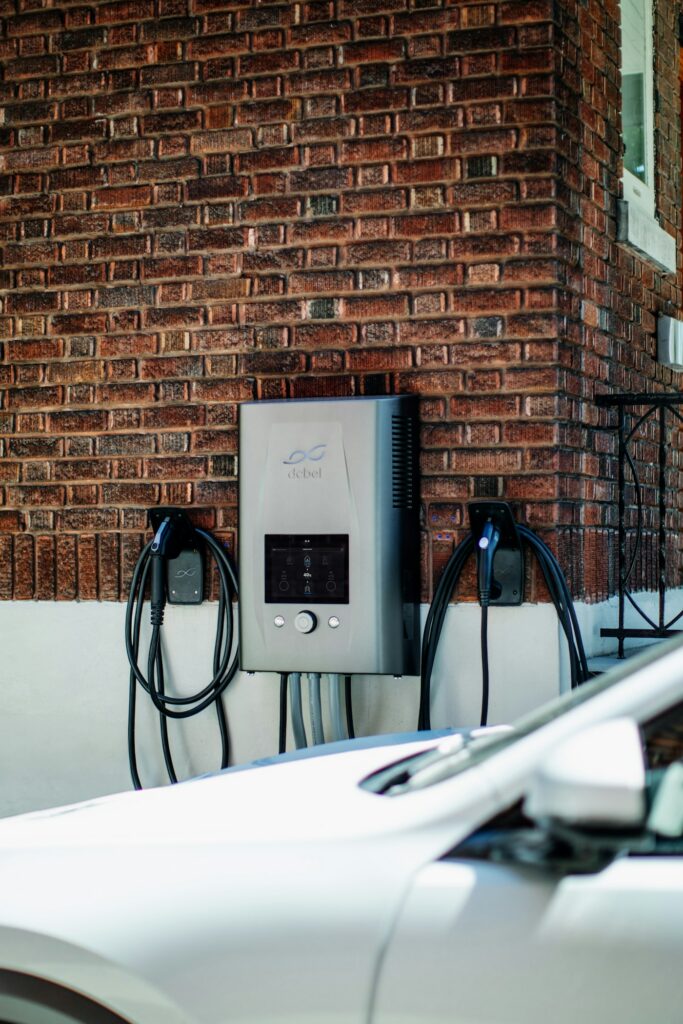 Home EV charger
Charge Your EV with Solar
This is where an electrician who also installs solar makes a difference.
Use Your Surplus Solar
Solar-aware chargers send excess generation to the car instead of exporting it for a low feed-in tariff.
Pair with a Battery
A home battery or off-peak scheduling can cover overnight charging.
Planned as One System
Charger, solar, battery and switchboard designed to work together.
Choosing the Right EV Charger
We help you match the charger to your car, your supply and how you drive.
Your Car’s Limit
The onboard charger sets the maximum AC charging speed your car can accept.
Single vs Three-Phase
Most homes charge well at up to about 7 kW; three-phase allows more if the car supports it.
Tethered or Socket
A fixed Type 2 cable for convenience, or a socket for flexibility.
Smart Features
App scheduling, off-peak timing and solar-aware modes.
Switchboard and Capacity Check
A wall charger needs its own circuit and the right protection, so your switchboard needs spare space and adequate capacity. Older boards with ceramic fuses, or boards that are already full, often need upgrading first.
Where your home already runs large loads like ducted air conditioning or a pool, load management can help the charger share capacity safely. We confirm all of this during the site assessment, before you are quoted.
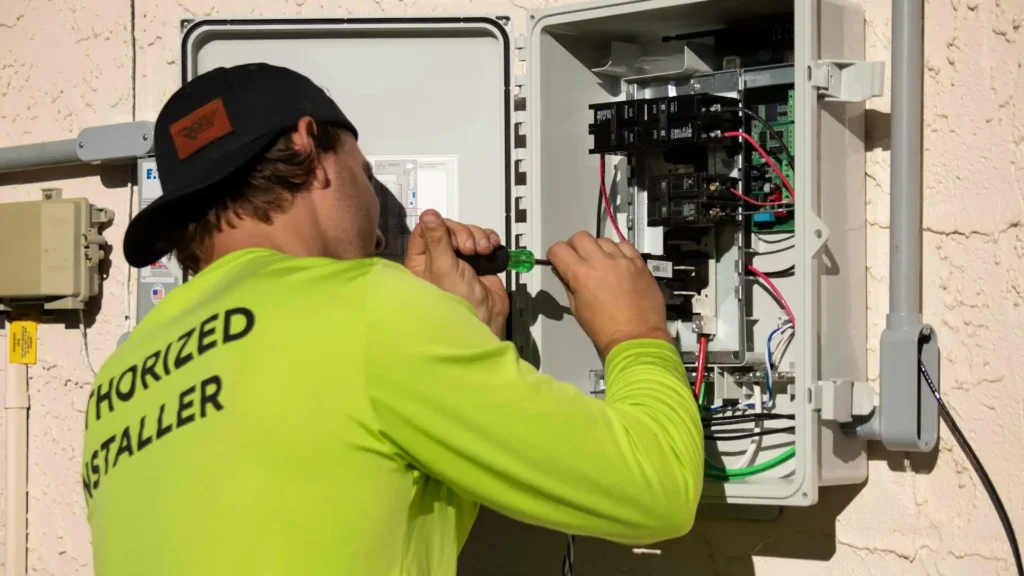 Switchboard check
Workplace and Strata Charging
Businesses, workplaces and apartment buildings often need more than one charger. That brings load management, metering of who uses what, and – for strata properties – body corporate consent into the picture.
Tell us about your site and how the chargers will be used, and we will talk you through the options and what the existing supply can support.
- Site supplyCapacity for multiple chargers
- UsageWho charges, when and for how long
- ConsentBody corporate approvals where needed
How EV Charger Installation Works
Site Assessment
We check the car, switchboard, supply and charger location.
Written Quote
Charger options and any upgrades, clearly listed.
Installation
Dedicated circuit, protection and charger installed.
Test & Hand Over
Tested and certified, with app set-up and a walkthrough.
EV Charger Installation Across the Sunshine Coast
Based in Buderim, we work across the Sunshine Coast. Call to check availability for your suburb.
EV Charger Installation FAQs
How fast will my EV charge at home?
It depends on the charger and your car. A typical 7 kW single-phase wall charger adds roughly 35 to 50 kilometres of range per hour, depending on the vehicle’s efficiency. A portable cable plugged into a standard power point is far slower. Your car’s onboard charger also limits the maximum charging speed.
Do I need three-phase power for an EV charger?
No. Most home chargers run on single-phase power at up to about 7 kW, which is enough to charge most EVs overnight. A three-phase supply allows 11 kW or 22 kW charging, but only if your car’s onboard charger can accept it. We check your supply and recommend the right option.
Can I charge my EV with solar power?
Yes. Solar-aware chargers can send surplus solar output to your car instead of exporting it to the grid, so you use more of your own generation. On the Sunshine Coast this works well if the car is home during the day. A home battery or off-peak scheduling can cover overnight charging.
Will I need a switchboard upgrade?
Possibly. A wall charger needs its own circuit and suitable protection, so your switchboard needs spare space and adequate capacity. Older boards with ceramic fuses, or boards that are already full, often need upgrading. A site assessment confirms this before you are quoted.
Can I just use a normal power point to charge my EV?
Many EVs come with a portable cable that plugs into a standard power point, and that is fine for occasional or top-up charging. It is slow, though, and puts a long continuous load on the circuit, so have an electrician confirm the circuit is suitable. A dedicated wall charger is safer and much faster for daily use.
Do I need approval to install a home EV charger?
A standard home charger does not usually need council approval. It must be installed by a licensed electrician to the Wiring Rules and tested, and you should receive a certificate of testing and safety. Larger chargers or supply upgrades may need to meet Energex requirements, and apartments and townhouses may need body corporate consent.
Other Services You Might Need
Get an EV Charger Quote
Electrical, lighting, compliance or solar – send us the details and we will come back to you with clear advice and a written quote.
- Call0427 468 568
- Emailjosh@futurecs.com.au
- Based inBuderim, Sunshine Coast QLD
- LicensedElectrical Contractors Licence 91222
Call Us on 0427 468 568
Or use the free quote form at the top of this page and we will be in touch.
