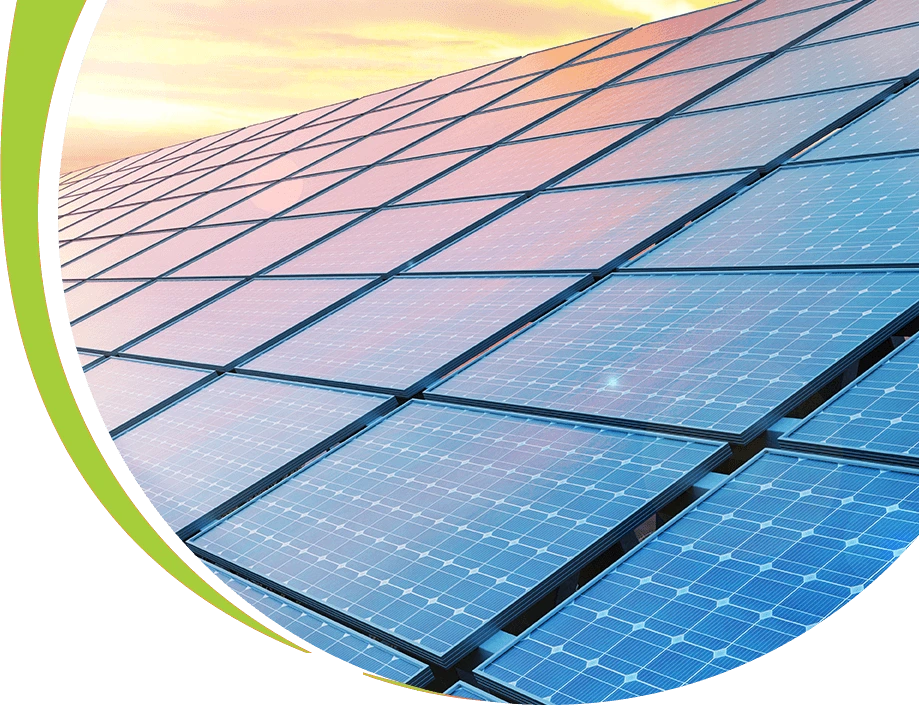
Choosing the right number of solar panels for your Sunshine Coast home depends on your daily electricity usage, roof space and the capacity of each panel. A typical 6.6kW system needs around 15 panels rated at 440 watts each. However, your ideal setup depends on household energy demands, shading and future electricity needs.
How Many Solar Panels Does a Sunshine Coast Home Need?
Every household uses electricity differently. A couple living in a small home may require a smaller solar system than a family running multiple air conditioners, a swimming pool and several appliances throughout the day.
When choosing solar panels, understanding your household’s electricity consumption is the first step towards selecting an appropriately sized system.
The following table provides examples using 440-watt modules.
| Solar System Size | Approximate Panel Count | Example Household |
|---|---|---|
| 3.3kW | 8 panels | Small home with modest electricity use |
| 5kW | 12 panels | Smaller family household |
| 6.6kW | 15 panels | Medium-sized household |
| 8.8kW | 20 panels | Larger household with higher daytime use |
| 10.12kW | 23 panels | High-consumption household |
These figures are illustrative rather than fixed recommendations. The appropriate capacity depends on when your household uses electricity, available roof space and network connection requirements.
Understanding Your Household Electricity Consumption
Before installing solar panels, review your electricity bills to understand how much energy your household consumes.
Your electricity bill usually displays your average daily usage in kilowatt-hours (kWh). This number provides a useful starting point for estimating an appropriate solar system capacity.
For example, a household consuming 25kWh daily may have different requirements from one consuming 12kWh, particularly if much of that electricity is used at night.
Consider these factors when reviewing your usage:
-
Air conditioning: Cooling requirements can increase electricity consumption during warmer months.
-
Swimming pools: Pool pumps and filtration equipment can create substantial daily electricity demand.
-
Electric hot water: Heating water during daylight hours can increase your use of solar generation.
-
Household occupancy: Working from home may increase daytime electricity consumption.
-
Electric vehicles: Charging an EV can significantly change your household’s future energy requirements.
Reviewing several months of bills gives you a clearer picture than relying on one billing period.
How Much Electricity Can Solar Panels Generate on the Sunshine Coast?
The Sunshine Coast receives substantial sunshine throughout the year, making rooftop solar a practical option for many suitable properties.
However, solar generation changes with cloud cover, roof orientation, shading and temperature.
According to the Australian Government’s Solar Consumer Guide, a 1kW system in Brisbane typically produces approximately 4.2kWh daily when averaged across the year.
Using that figure as a nearby regional reference, a 6.6kW system could generate approximately 27.7kWh daily on average.
Actual Sunshine Coast output will vary, and the figure should not be treated as a production guarantee.
When considering solar panels, remember that electricity generated during daylight hours may be exported to the grid if your household does not use it immediately.
Why Roof Size and Orientation Matter
Your roof plays a major role in determining how many solar panels can be installed effectively.
North-facing roof sections generally provide strong year-round solar exposure in Queensland. East-facing and west-facing installations can also perform well, particularly when their generation patterns match household electricity usage.
Before selecting a system, consider:
-
Available roof area without significant shading
-
Roof pitch, orientation and structural condition
-
Nearby trees, antennas and surrounding buildings
-
Space required for safe installation and maintenance
-
Potential future roof repairs or renovations
For example, a Sunshine Coast property with a large north-facing roof may accommodate more solar panels than a townhouse with limited unshaded space.
Higher-efficiency modules can also help maximise generation where roof area is restricted.
Is a 6.6kW or 10kW Solar System Better?
Both system sizes are common options for Australian residential properties, but neither is automatically the best choice.
A 6.6kW system may suit households with moderate electricity consumption and adequate daytime usage.
A 10kW system may be worth considering for households with larger electricity requirements, especially those operating multiple air conditioners, swimming pools or electric vehicles.
Installing additional solar panels can increase potential generation, but a larger system does not automatically mean better household savings.
You should consider how much electricity you can use directly and how much surplus generation your network connection allows you to export.
The Australian Government’s system sizing guidance provides further information about matching generation capacity with household requirements.
Should You Consider Battery Storage?
Battery storage can help households use more of their own solar electricity after sunset.
Without a battery, unused electricity from solar panels is generally exported to the grid, subject to network limits and system settings.
A home battery stores some excess daytime generation for use later, depending on its capacity and operating configuration.
However, batteries are not essential for every household. If you use substantial electricity during daylight hours, a suitable grid-connected system without battery storage may still provide useful benefits.
Consider your evening electricity usage, backup power requirements and future plans before deciding.
What Should You Check Before Installation?
Proper system design involves more than simply fitting solar panels onto available roof space.
Your installer should assess electrical infrastructure, switchboard suitability, inverter capacity and network connection requirements.
In Queensland, grid-connected installations require distributor approval before installation. Sunshine Coast properties are generally within the Energex distribution area.
The Queensland Government’s solar connection guidance explains this process.
Electrical work must comply with applicable Australian requirements, including AS/NZS 3000 and AS/NZS 5033 where relevant.
For installations seeking eligibility under the Australian Government’s Small-scale Renewable Energy Scheme, appropriately licensed and Solar Accreditation Australia-accredited installers must complete the relevant work.
Frequently Asked Questions
How many solar panels do I need for a four-bedroom house?
A four-bedroom home might suit a 6.6kW to 10kW system, depending on electricity consumption. The number of occupants, appliances and daytime energy usage matters more than bedroom count alone.
Can solar panels work on cloudy days?
Yes. Solar equipment can generate electricity using available daylight, although output generally decreases during heavy cloud cover. Generation also varies with system design and panel orientation.
Do I need a north-facing roof for solar installation?
No. East-facing and west-facing roofs can also support effective installations. The best orientation depends on your available roof space and when you consume electricity.
How long do residential solar systems last?
Many quality solar panels are designed to operate for 25 years or longer, although performance gradually declines. Inverters may require replacement sooner, depending on their specifications and operating conditions.
When to Call a Professional
If you are uncertain about system capacity, roof suitability or electrical requirements, a professional assessment can help you avoid installing an incorrectly sized system.
FUTURE CONTRACTING SERVICES provides electrical and solar services for homeowners considering solar installation on the Sunshine Coast.
A site assessment can establish whether your roof, switchboard and electrical supply are suitable for your preferred system.
Contact FUTURE CONTRACTING SERVICES to discuss your electricity requirements and arrange an assessment for your property.
Conclusion
Choosing the correct number of solar panels requires a clear understanding of your electricity consumption, available roof space and future energy needs.
While a 6.6kW system may suit many households, larger or smaller installations can be more appropriate depending on individual circumstances.
For professional guidance on solar system sizing and installation, contact FUTURE CONTRACTING SERVICES and discuss an option suited to your Sunshine Coast home.
Talk to FCS About Solar Installation
Licensed Sunshine Coast electricians and solar installers, based in Buderim.
Related Articles
Air Conditioning Installation Time: Smart 2026 Buderim Guide
A standard air conditioning installation in Buderim usually takes several hours for a straightforward split-system setup. More complex installations, difficult access, electrical upgrades or…
Read article
How Emergency Lighting Installation Works Sunshine Coast
When the power goes out, having a reliable backup lighting system can mean the difference between safety and confusion. On the Sunshine Coast, Emergency…
Read article
Why Hire Industrial Electrical Contractors Sunshine Coast?
The Sunshine Coast is home to diverse industries ranging from manufacturing and logistics to food processing and construction. Each of these sectors depends heavily…
Read articleTalk to a Local Sunshine Coast Electrician
Electrical, lighting, compliance or solar – send us the details and we will come back to you with clear advice and a written quote.
- Call0427 468 568
- Emailjosh@futurecs.com.au
- Based inBuderim, Sunshine Coast QLD
- LicensedElectrical Contractors Licence 91222
Request a Free Quote
Tell us a little about the job and we will be in touch.