As temperatures rise on the Sunshine Coast, homeowners and businesses are seeking sustainable, energy-smart solutions for cooling. Air Conditioning Installation no longer just fixes comfort—it’s about long-term efficiency, cost savings, and environmental impact. This comprehensive guide explores the smart approach to Air Conditioning Installation on the Sunshine Coast, covering best practices, benefits, regulations, and more.
1. Why Choose Energy-Smart Air Conditioning Installation?
Traditional cooling systems can be energy-intensive, but Air Conditioning Installation done right—using inverter-driven units, eco refrigerants, and smart controls—delivers greater energy efficiency and reduced running costs.
-
Inverter technology matches compressor speed to cooling demand, reducing power use by 30% or more.
-
Systems with high SEER ratings may offer substantial long-term savings.
-
Smart thermostats, occupancy sensors, and zone control enable tailored energy consumption.
Installing an energy-smart air conditioning system on the Sunshine Coast means you’re investing in comfort while reducing bills and environmental impact.
2. Selecting the Right System for Your Sunshine Coast Property
Proper sizing and system type are foundational to energy-smart Air Conditioning Installation:
-
Ducted systems with zoning: Ideal for larger homes or offices—allows separate temperature control per area, reducing energy waste.
-
Split or mini-split (ductless): Great for room-by-room control, especially in retrofits—fewer distribution losses.
-
Smart systems: Include Wi-Fi-connected thermostats, lifestyle automation, and remote monitoring.
Performing a load calculation is essential to ensure your system matches your property’s needs and optimizes efficiency.
3. Regulatory Requirements and Local Approvals
Before beginning any Air Conditioning Installation on the Sunshine Coast, it’s vital to ensure you remain compliant:
-
ARC licensing: Refrigerant handling must be performed by ARC-certified technicians.
-
Electrical certification: Installers must comply with Australian/New Zealand electrical standards.
-
Council permits: Ducted systems or multicomponent installs may require approval from Sunshine Coast Regional Council.
Confirm with your contractor that they handle all compliance and certification to avoid setbacks and guarantee safety.
4. Installation Best Practices: Step by Step
a. Site Survey & Planning
Assess factors such as:
-
Sun exposure and shading
-
Airflow and clearance around indoor/outdoor units
-
Drainage routes and noise considerations
Proper planning leads to better system performance and aesthetics.
b. Mounting & Piping
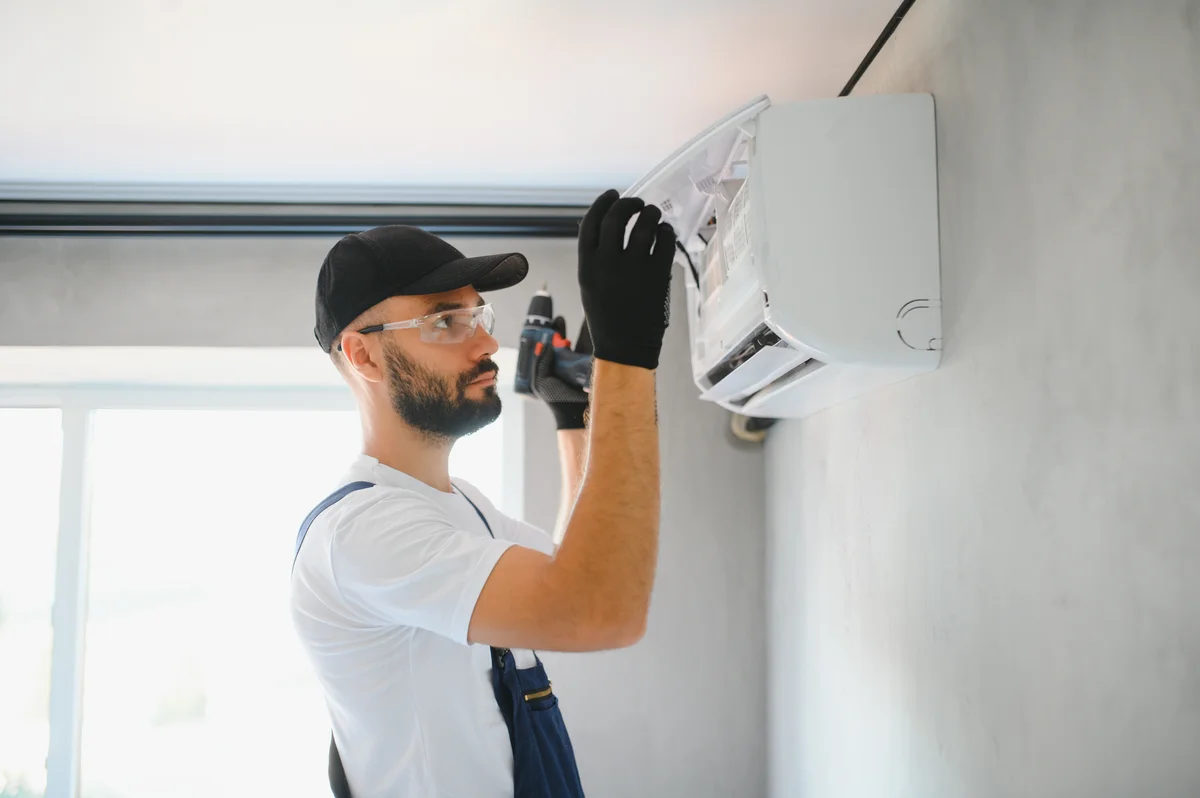
Install indoor units or ducts:
-
Seal ducting to reduce energy loss
-
Use well-insulated refrigerant pipes
-
Allow outdoor units clear airflow for peak efficiency
c. Electrical & Refrigerant Work
-
Ensure power supply meets the load and safety standards
-
Proper refrigerant evacuation and recharging avoid leaks
-
All refrigeration work should comply with ARC rules
d. System Testing & Commissioning
Run a thorough test to confirm:
-
Refrigerant charge is accurate
-
Temperature control is responsive
-
No airflow or refrigerant leaks exist
Proper commissioning unlocks warranty coverage and performance guarantees.
5. Smart Controls and Zoning Integration
Embedding intelligence into your Air Conditioning Installation boosts efficiency:
-
Install smart thermostats compatible with Alexa or Google Home.
-
Use demand-controlled ventilation in zones to minimize waste.
-
Automate schedules based on occupancy and time-of-use rates.
Smart integration saves around 20–40% in energy usage while enhancing user convenience.
6. Sustainability Highlights: Sunshine Coast Examples
The University of the Sunshine Coast uses solar-chilled water for air conditioning, significantly reducing energy consumption and carbon emissions. While residential and small commercial systems differ, the principle is the same: integrate renewable energy and efficient thermal management to minimize environmental impact.
7. Learn More About Energy-Efficient Cooling
For reliable, government-backed advice on energy-efficient cooling and air conditioning systems, visit the YourHome.gov.au guide to heating and cooling. This Australian resource provides detailed insights into system types, energy ratings, and climate-specific recommendations—ideal for Sunshine Coast property owners planning an Air Conditioning Installation.
8. Cost Breakdown & Financial Benefits
| System Type | Typical Installed Cost | ROI Timeline |
|---|---|---|
| Mini-split system | AUD 3,000–5,000 | 3–5 years |
| Ducted zoned system | AUD 8,000–12,000 | 4–7 years |
| Smart upgrades | + $500–1,500 | 2–4 years |
Though upfront investment may be higher, reduced energy use and rebates (where applicable) enhance long-term savings and sustainability.
9. Maintenance for Long-Term Efficiency
To keep your system optimally efficient:
-
Clean or replace filters every 1–3 months
-
Clear debris and dust from outdoor coils
-
Inspect refrigerant lines annually
-
Service by licensed professionals at least once a year
This maintenance prevents efficiency loss and extends lifespan while meeting warranty requirements.
10. Comparing Old vs New: Is It Time to Replace Your AC?
If your current air conditioning system is over 10–15 years old, it may be time to consider a new Air Conditioning Installation. Older systems not only consume more electricity but often use outdated refrigerants with a higher global warming potential.
Here’s a quick comparison:
| Feature | Older Systems | Energy-Smart Systems |
|---|---|---|
| Energy Consumption | High | Low (30–50% less) |
| Refrigerant Type | Often R22 (phased out) | R410A or newer eco types |
| Thermostat Capabilities | Manual | Smart/Wi-Fi integrated |
| Noise Levels | Higher | Quiet operation |
| Maintenance Needs | Frequent | Minimal (with smart alerts) |
Upgrading to a modern system not only improves comfort but significantly reduces long-term costs and environmental impact. Government rebates or energy-efficiency incentives may also help offset initial expenses, especially for energy-rated installations.
Smart Cooling: Your Path to Comfort and Efficiency
With rising temperatures and energy prices, there’s no better time to invest in sustainable cooling. A professionally installed, energy-efficient air conditioning system delivers comfort, efficiency, and peace of mind.
Whether it’s for your home or business, the right system ensures optimal performance year-round. From zoning to smart automation, every element of a modern Air Conditioning Installation is designed to maximise energy savings and user convenience.
11. Climate Considerations on the Sunshine Coast
The Sunshine Coast’s subtropical climate demands cooling systems that can handle high humidity, sudden temperature shifts, and extended summer periods. When planning your Air Conditioning Installation, it’s essential to select a system that performs efficiently in local conditions.
High humidity can lead to discomfort even when temperatures are moderate. Advanced systems with dehumidification features help maintain ideal indoor humidity levels, enhancing both comfort and health. Proper insulation, ventilation, and unit placement also play vital roles in achieving maximum performance.
Solar-compatible air conditioning is becoming a popular option across the Sunshine Coast. By pairing your system with solar power, you can offset electricity usage and improve long-term cost savings. Many smart systems can also sync with home solar setups, allowing for energy storage and scheduled usage during peak sunlight hours.
Choosing an installer familiar with the local climate ensures the system is appropriately sized, zoned, and designed for Sunshine Coast living. A professional team will also advise on optimal airflow and insulation to support your air conditioner’s long-term efficiency.
Smart Cooling for a Sustainable Future
Energy-efficient Air Conditioning Installation on the Sunshine Coast isn’t just about comfort—it’s a smart investment in your property’s value and energy savings. From smart controls to eco-friendly systems, modern solutions deliver long-term benefits. Ensure your installation is handled by licensed experts for maximum performance and compliance. Upgrade today and enjoy reliable, efficient cooling all year round.
🔧 Ready to upgrade your comfort and cut energy costs? 🌞
📞 Contact FCS Electrical and Solar today for expert Air Conditioning Installation on the Sunshine Coast.
Frequently Asked Questions
-
How Much Does AC Installation Cost in Sunshine Coast?
AC installation costs vary based on system type and size. Split systems typically cost between AUD 3,000 and 5,000, while ducted systems can exceed AUD 10,000. Additional costs include permits and compliance requirements.
-
What’s the Most Energy-Efficient AC for Aussie Homes?
Inverter split systems with high energy star ratings (4–6 stars) are the most efficient. Pairing these with smart thermostats maximizes energy savings and comfort.
-
Are There Rebates for Energy-Efficient AC in Queensland?
Yes. Queensland offers rebates under schemes like the Energy Savers Scheme for eligible energy-efficient air conditioners. Check the Queensland Government website for current offers.