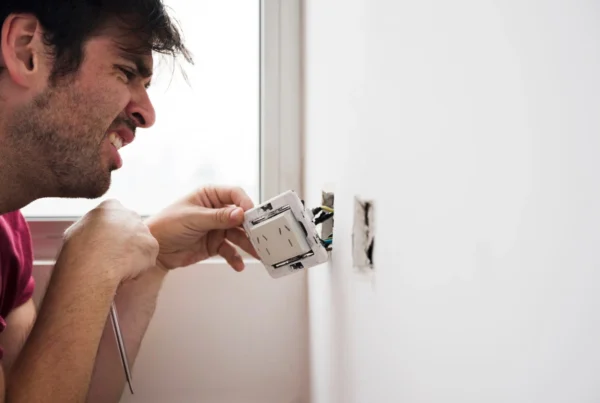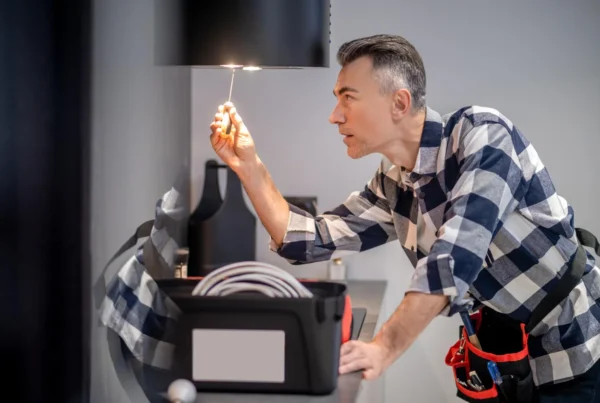
Installing powerpoints may seem like a basic electrical task, but it’s one of the most important upgrades for both new and existing homes and commercial properties. Whether you’re renovating a kitchen, building a home office, or setting up an outdoor entertainment area, the placement, type, and safety of your powerpoints directly affect how you use your space. That’s why choosing to install electrical powerpoint units with proper planning and licensed professionals is more than a smart move—it’s a safety and compliance necessity.
In fast-growing regions like the Sunshine Coast, homeowners and business owners are continually adapting to more advanced electrical needs. From modern appliances and high-speed internet setups to outdoor lighting and electric vehicle chargers, our power usage has grown significantly. Yet many properties still rely on outdated or insufficient electrical systems. This can lead to overloaded circuits, frequent tripping, and even potential fire hazards.
Installing new powerpoints not only solves functionality issues—it also improves your property’s value, makes daily life more convenient, and reduces the risk of electrical failures. But it’s not as simple as cutting a hole in the wall and running a wire. In Queensland, any work involving electricity, including powerpoint installation, must be performed by a licensed electrician and follow strict compliance guidelines set by the Electrical Safety Office and Australian standards.
This guide will walk you through everything you need to know before you install electrical powerpoint outlets in your home or business—from legal requirements and cost considerations to safety best practices and step-by-step processes. Whether you need one new outlet or a complete circuit upgrade, the information below will help you make informed, safe, and efficient decisions.
Why You Must Use a Licensed Electrician
Queensland law strictly prohibits unlicensed individuals from performing electrical installations, including powerpoints. Using a licensed electrician ensures all work is compliant with AS/NZS 3000 wiring standards, includes proper RCD protection, and is verified through an Electrical Certificate of Compliance (ECOC).
Hiring a professional helps you avoid:
-
Safety risks such as electric shock and fire
-
Insurance issues from uncertified work
-
Fines or legal penalties for DIY installations
A qualified electrician also ensures longevity, correct circuit integration, and full adherence to safety protocols.
Planning to Install Electrical Powerpoint? Here’s What You Should Know
Understanding your needs and evaluating the installation site can reduce unexpected costs and delays. Ask yourself the following before contacting a licensed electrician:
1. What Type of Powerpoint Do You Need?
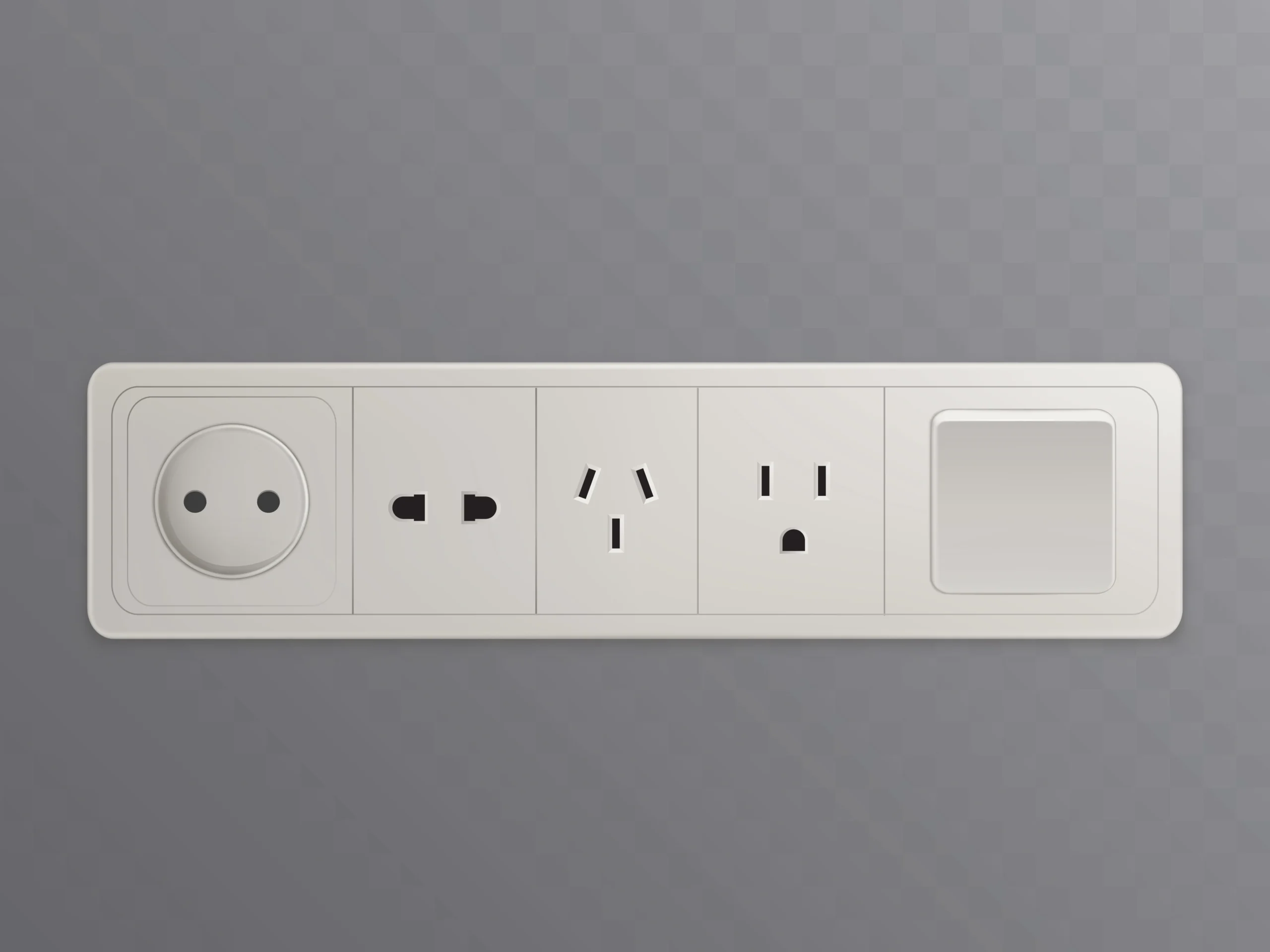
From standard single or double outlets to weatherproof outdoor sockets and USB-integrated powerpoints, each serves different needs. Commercial environments may require quad outlets or dedicated sockets for appliances.
2. Where Will It Be Installed?
Outlets in wet areas (kitchens, bathrooms, outdoor spaces) must comply with minimum clearance distances from water and require IP-rated waterproof components.
3. Will Your Switchboard Handle the Load?
Adding multiple outlets or high-draw appliances may require a switchboard upgrade or a new circuit. Licensed electricians will test your current system’s load capacity and recommend solutions that avoid overload and meet safety codes.
Outdoor Installations: Special Considerations
Outdoor areas like patios, garages, sheds, and poolside decks often benefit from added powerpoints, especially for garden tools, electric grills, lighting, or entertainment systems. However, outdoor installations demand:
-
IP-rated weatherproof outlets (IP53 minimum, IP66 for exposed areas)
-
Proper conduit and cable protection against sun and moisture
-
RCD protection and secure earthing
Outdoor powerpoints must be installed to withstand harsh Sunshine Coast weather, especially during storm season. Incorrect or non-compliant installations can pose serious hazards.
Installation Process: What to Expect
When you hire a licensed electrician to install electrical powerpoint units, you can expect a standardised, step-by-step procedure:
-
Switching Off Power
Mains are safely isolated, and the work area is confirmed to be de-energised. -
Wall and Cable Preparation
The electrician cuts or mounts a backbox, then routes new wiring through ceilings, walls, or conduits as needed. -
Wiring and Termination
Active (live), neutral, and earth wires are connected to the new powerpoint according to regulation. -
Testing the Installation
The new outlet is tested for correct polarity, continuity, and RCD function to ensure safe operation. -
Certificate of Compliance
You receive an official record verifying the installation meets Australian standards and legal requirements.
Legal & Compliance Snapshot
-
AS/NZS 3000 Wiring Rules: All installations must meet this national standard
-
Mandatory RCD Protection: Required for all new powerpoints and circuits
-
Type A RCD Only: Type AC RCDs are now non-compliant in new installations
-
ECOC: You must receive a certificate from your electrician after installation
Failing to comply can lead to fines, denied insurance claims, or increased risk of electrical incidents.
Importance of a High-Quality Installation
High-quality electrical installations not only keep you compliant but also offer long-term peace of mind. A professional installation ensures:
-
Safe and secure power delivery
-
Long-term durability of fittings
-
Compliance with insurance and regulatory bodies
-
Reduced risk of faults or fire
Avoiding shortcuts ensures your property remains functional and safe for years to come.
Time and Cost Breakdown
How Long Does It Take?
-
1–2 hours for a basic outlet
-
2–3 hours for outdoor or complex units
-
More time if wall structure or switchboard access is difficult
Estimated Cost
-
Standard double outlet: $150–$250
-
USB or quad outlet: $250–$400
-
Outdoor waterproof outlet: $300–$450
-
New circuit or switchboard upgrade: $400–$800+
Factors such as accessibility, wall type, and distance from the switchboard can influence total cost.
Essential Electrical Safety Guidelines
According to Safe Work Australia’s electrical safety guidelines, all electrical work must be carried out by licensed professionals and in accordance with the Wiring Rules (AS/NZS 3000). These standards help prevent electrical fires, shocks, and other hazards by outlining mandatory protections such as RCD use, correct cable routing, and safe installation practices.
Long-Term Electrical Safety Tips
-
Test RCDs quarterly using their test button
-
Don’t overload outlets with multi-plugs or boards
-
Schedule electrical inspections every 3–5 years
-
Use covers or seals for outdoor powerpoints
-
Call an electrician at the first sign of burning smells, heat, or loose plugs
Staying proactive with maintenance can prevent expensive emergency repairs or accidents.
Common Installation Mistakes to Avoid
-
DIY Electrical Work
Illegal in Queensland and dangerous. -
Overloading Circuits
Plugging high-wattage appliances into one outlet can lead to overheating. -
Improper Placement
Too close to water or placed without regard to RCD compliance. -
Using Type AC RCDs
Now banned in new installations. -
No Electrical Compliance Certificate
Leaves you unprotected in case of incidents or inspections.
Professional Powerpoint Installation is a Smart Investment
Choosing to install electrical powerpoint outlets professionally ensures you meet all safety and legal requirements while getting the convenience you need. Whether for a modern home, a rental property, or a commercial space on the Sunshine Coast, working with a certified electrician eliminates risk and ensures your investment lasts.
High-quality installation, switchboard compatibility, RCD protection, and compliance with AS/NZS 3000 rules are essential for every safe and long-lasting electrical upgrade.
Take the Next Step with FCS Electrical and Solar
FCS Electrical and Solar offers certified, safe, and compliant powerpoint installations across the Sunshine Coast. Our experienced electricians are fully licensed and ready to help with tailored advice, efficient service, and transparent pricing.
📞 Contact FCS Electrical and Solar today to schedule your consultation and power up your property with confidence.
Frequently Asked Questions
-
Can I install electrical powerpoints myself on the Sunshine Coast?
No, Queensland law requires all electrical powerpoint installations to be done by licensed electricians to ensure safety and compliance.
-
How long does it typically take to install an electrical powerpoint?
Most standard powerpoints can be installed within 1 to 2 hours, depending on location and complexity.
-
What safety features should I expect in a new powerpoint installation?
New powerpoints must include RCD protection, proper earthing, and comply with AS/NZS 3000 wiring standards for safe operation.