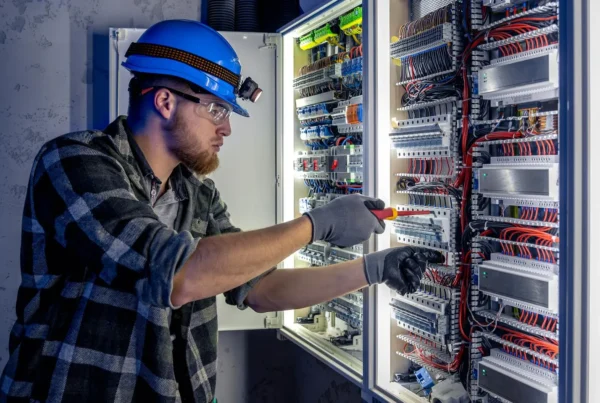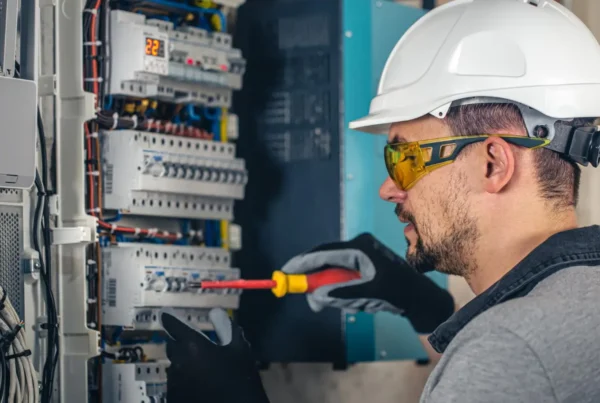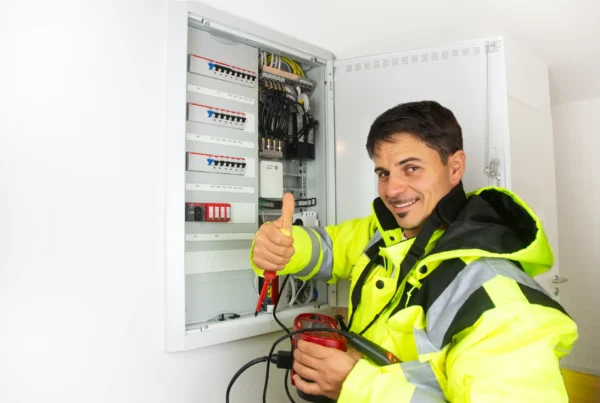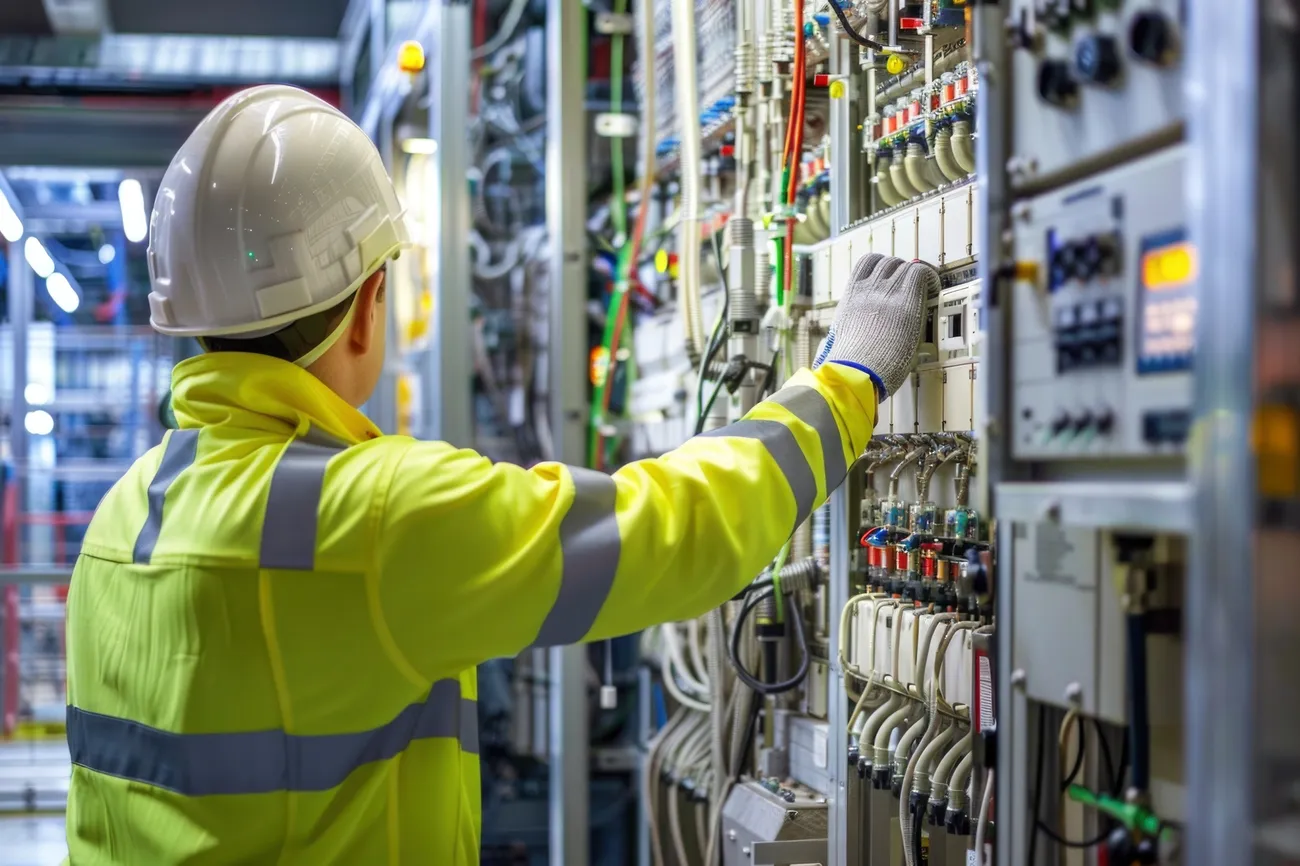
Efficient and safe industrial operations rely heavily on the continuous performance of electrical systems. While machinery and workflow processes get plenty of attention, one of the most critical aspects of operational continuity is industrial electrical maintenance.
On the Sunshine Coast, a region home to a wide range of industries—from food processing to marine logistics—the need for well-maintained electrical infrastructure is paramount. This article explores the importance of proper maintenance, the services involved, signs your system may need attention, and answers to common questions.
What Is Industrial Electrical Maintenance?
Industrial electrical maintenance refers to the scheduled servicing, testing, and repair of electrical equipment and systems used in industrial environments. This includes power distribution panels, circuit breakers, transformers, motors, and more.
The core objectives of regular maintenance are:
-
Preventing unplanned outages
-
Ensuring worker safety
-
Prolonging the lifespan of electrical components
-
Maintaining compliance with Australian standards
In busy industrial zones like the Sunshine Coast, regular maintenance is essential to keep operations running at full capacity without costly interruptions.
Key Components of a Maintenance Plan
An effective industrial electrical maintenance plan combines multiple types of services to ensure system health. These usually include:
1. Preventive Maintenance
Preventive measures are taken to avoid breakdowns before they happen. These often include:
-
Infrared thermographic scanning
-
Load testing
-
Visual inspections
-
Functional testing of safety switches and breakers
Preventive maintenance can help identify loose connections, overheating equipment, and overloaded circuits before they cause failures.
2. Corrective Maintenance
This addresses issues that are already affecting performance or safety. Tasks might include:
-
Replacing worn electrical components
-
Repairing faulty motors or drives
-
Re-balancing loads to avoid overcurrent
-
Rewiring sections of outdated circuitry
3. Predictive Maintenance
Using technology such as vibration analysis or power quality monitoring, predictive maintenance identifies trends that suggest future faults. This allows businesses to schedule downtime strategically, avoiding emergencies.
4. Emergency Services
Despite the best planning, issues can still occur. Quick-response teams are essential to handle electrical faults that disrupt operations and pose safety risks.
Benefits of Industrial Electrical Maintenance
The importance of investing in regular industrial electrical maintenance cannot be overstated. Here are some of the top benefits:
-
Improved safety: Reduces the risk of fires, shocks, or explosions
-
Less downtime: Planned maintenance prevents unexpected failures
-
Cost savings: Proactive care is more affordable than emergency repairs
-
Regulatory compliance: Helps meet WHS and AS/NZS 3000 standards
-
Energy efficiency: Well-maintained systems consume less power
Common Issues in Industrial Electrical Systems
Ignoring maintenance can lead to a range of problems. Some of the most frequent issues include:
-
Overheating of motors or cables
-
Frequent circuit trips indicating overloaded circuits
-
Voltage sags or surges that damage sensitive equipment
-
Faulty grounding that increases the risk of electric shock
-
Corroded terminals leading to connection loss or arc faults
Identifying and addressing these early can save thousands in repair costs and lost production.
When to Schedule Electrical Maintenance
Wondering if it’s time for a system check? Here are some clear signs:
-
Unexpected shutdowns or tripped breakers
-
Flickering lights or unbalanced power loads
-
Equipment running hotter than normal
-
Burnt smells near switchboards or electrical panels
-
Increased energy consumption without higher output
If any of these are present in your facility, it’s time to schedule an inspection.
Industries That Rely on Maintenance Services
Many Sunshine Coast industries depend on uninterrupted power systems for day-to-day operations. These include:
-
Manufacturing plants
-
Food and beverage production facilities
-
Marinas and shipyards
-
Agricultural processing sites
-
Warehousing and logistics centers
-
Water and wastewater treatment plants
Each of these environments demands a tailored industrial electrical maintenance approach to handle unique loads and operational demands.
Safety and Compliance
In Australia, electrical safety is governed by strict codes and standards. Regular maintenance helps businesses remain compliant with:
-
AS/NZS 3000:2018 (Wiring Rules)
-
Work Health and Safety (WHS) regulations
-
Energy Safety standards
Failure to comply can result in penalties, insurance voidance, or serious workplace incidents.
For reference, visit Safe Work Australia — a valuable resource for understanding national electrical safety regulations.
How Often Should Maintenance Be Performed?
The frequency of industrial electrical maintenance varies based on:
-
Equipment age and type
-
Environmental conditions (heat, humidity, dust)
-
Power demand and load variation
-
Past maintenance history
However, most facilities benefit from quarterly preventive checks and annual deep system evaluations. Predictive monitoring may be ongoing, depending on your risk profile.
Choosing the Right Maintenance Partner
Selecting the right provider for industrial electrical maintenance is a decision that should be based on expertise, responsiveness, and transparency. Not all maintenance companies are equipped to handle the complex needs of industrial systems, especially in high-risk environments like manufacturing plants or marine operations.
Key Criteria to Look For:
-
Qualified and Licensed Electricians: Industrial environments require electricians with specific certifications and training to handle high-voltage and mission-critical systems.
-
Proven Industry Experience: Providers with a track record across multiple industrial sectors are more likely to anticipate issues and offer tailored solutions.
-
Modern Diagnostic Tools: Infrared scanning, power quality analyzers, and real-time monitoring are essential tools for advanced maintenance programs.
-
Custom Maintenance Schedules: Every facility has unique needs based on operation hours, load cycles, and equipment types. A professional partner will customize your maintenance schedule accordingly.
-
Safety-Focused Approach: Maintenance isn’t just about performance—it’s also about reducing risk. A reputable team follows lockout/tagout procedures, uses PPE, and adheres to all local regulations.
Sustainability and Energy Efficiency
One often overlooked benefit of industrial electrical maintenance is its role in supporting sustainability goals. When electrical systems are optimized:
-
Equipment consumes less energy
-
Heat loss is minimized
-
Carbon footprint is reduced
-
Renewable systems (like solar) integrate more efficiently
For Sunshine Coast businesses looking to meet ESG (Environmental, Social, and Governance) targets, maintaining electrical efficiency is a vital step.
Whether you’re upgrading systems, expanding operations, or simply aiming to prevent unexpected shutdowns, a proactive maintenance plan makes a measurable impact.
Putting Power and Performance First
Regular industrial electrical maintenance is a smart investment, not an optional expense. For businesses on the Sunshine Coast, it’s a vital step in protecting people, productivity, and profits.
By committing to a maintenance plan, you’re ensuring that your facility is safe, efficient, and ready to meet growing demands.
Book Your Electrical Maintenance Assessment
Secure your Sunshine Coast facility with expert industrial electrical maintenance. Contact FCS Electrical and Solar today for a comprehensive assessment and keep your operations running at peak performance.
FAQs: Industrial Electrical Maintenance on Sunshine Coast
-
What’s included in industrial electrical maintenance?
Typical tasks include visual inspections, circuit testing, thermal imaging, load analysis, equipment calibration, and emergency repairs.
-
Is downtime required during maintenance?
Not always. Preventive and predictive tasks are often non-invasive. However, some corrective repairs may require temporary system shutdowns.
-
Can electrical maintenance reduce energy bills?
Yes. Well-maintained systems operate more efficiently, reducing waste and power costs—especially in high-demand industrial environments.